
BLOG
Clutch Release Bearing Failure: 7 Warning Signs and When to Replace It
The clutch release bearing doesn’t fail quietly. It almost always gives you noise and pedal feel first — you just have to know what you’re hearing and feeling, and more importantly, when it’s happening.
That last part matters more than most people realize. A bearing that whines when you press the pedal is telling you something completely different from one that whines when your foot is off. Get that distinction wrong and you’ll pull the gearbox for nothing.Here’s what to listen for, and when to stop driving.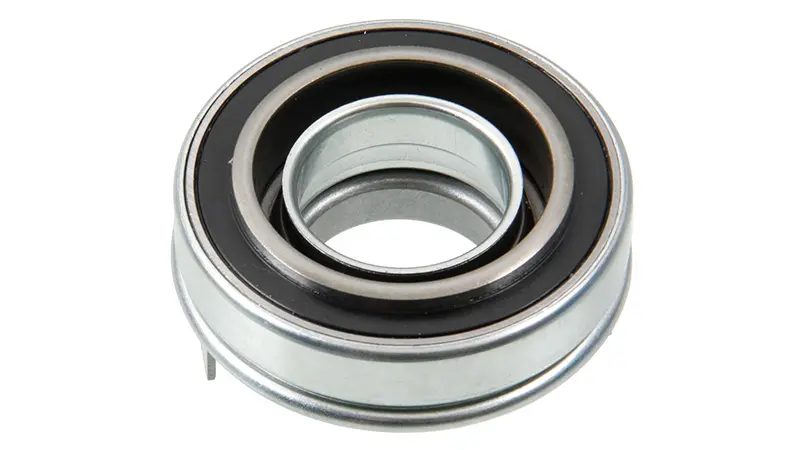
The Pedal Test Comes First
Before anything else: engine at idle, gearbox in neutral, press and release the clutch slowly. Listen.
If the noise starts within the first 20–30 mm of pedal travel and disappears when you let off, the release bearing is your prime suspect. The bearing only carries load and rotates when it’s in contact with the pressure plate. Noise that tracks with pedal application points straight at it.If it’s the opposite — noise with the pedal up, quiet when you press down — you’re likely chasing a gearbox input shaft bearing, not the release bearing. That single test prevents more unnecessary gearbox removals than any other diagnostic step.The 7 Warning Signs
1. Whirring or humming when you press the pedal.
A high-pitched whir or hum that starts with pedal application and stops when released. This is the classic early symptom — worn ball rows, lost grease, or a damaged seal.2. Grinding under pressure.When a whine turns into a grind, the bearing is badly damaged. Metal is talking to metal. At this point, you’re not diagnosing anymore — you’re scheduling the repair.3. Vibration or throbbing through the pedal.Uneven wear on the bearing face, or diaphragm spring fingers that aren’t sitting level. You’ll feel it in your foot before you hear it.4. A pedal that’s gone stiff.The bearing is binding on its slides, or the guide sleeve is worn or dry. What used to be a light press now takes real effort.5. Gears that won’t engage cleanly.The bearing can’t push the diaphragm spring evenly, so the clutch doesn’t fully release. First and reverse are usually the first to complain.6. A soft pedal that sinks.On concentric release units, this is the first sign — not noise. Internal seal leakage. Hold the pedal down for 30 seconds; if it slowly sinks, you’ve found the problem.7. A burning smell.Friction between the bearing and clutch system from insufficient lubrication. By the time you smell it, things are getting hot.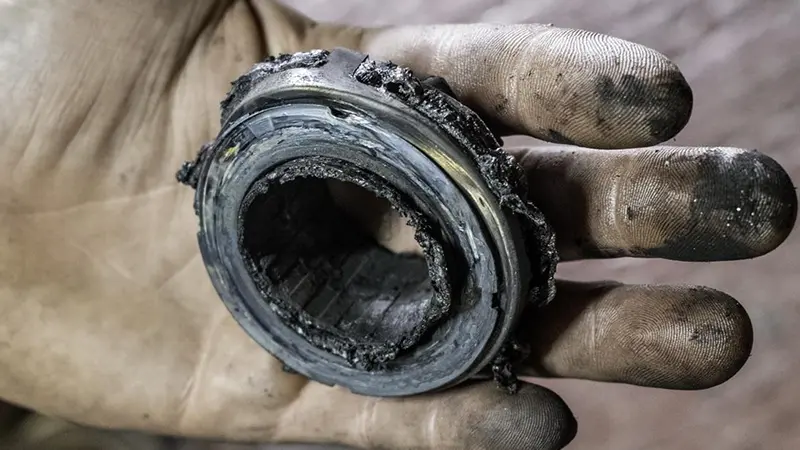
When to Replace It
The short answer: when the gearbox is out, replace it. The bearing is cheap. The labor to get to it is not.
There’s no fixed service interval for a release bearing. It gets replaced when the clutch gets replaced, because the access is identical. If you’re doing a clutch job and reusing the old bearing to save twenty bucks, you’re making a bad bet. The part costs a fraction of the labor you’re already paying.But if you’re not already in there? Replace it when the symptoms show up and don’t wait for a catastrophe. A seized bearing can chew through the diaphragm spring fingers. What started as a bearing replacement becomes a pressure plate, clutch disc, and possibly flywheel job. Grinding noises and a pedal that won’t fully depress are your last warnings before that happens.One more thing: if you fit a new bearing and the noise continues, the root cause wasn’t the bearing. A worn release fork, an ovalized guide sleeve, or flywheel runout will load a new bearing asymmetrically from day one. Check those components while you’re in there.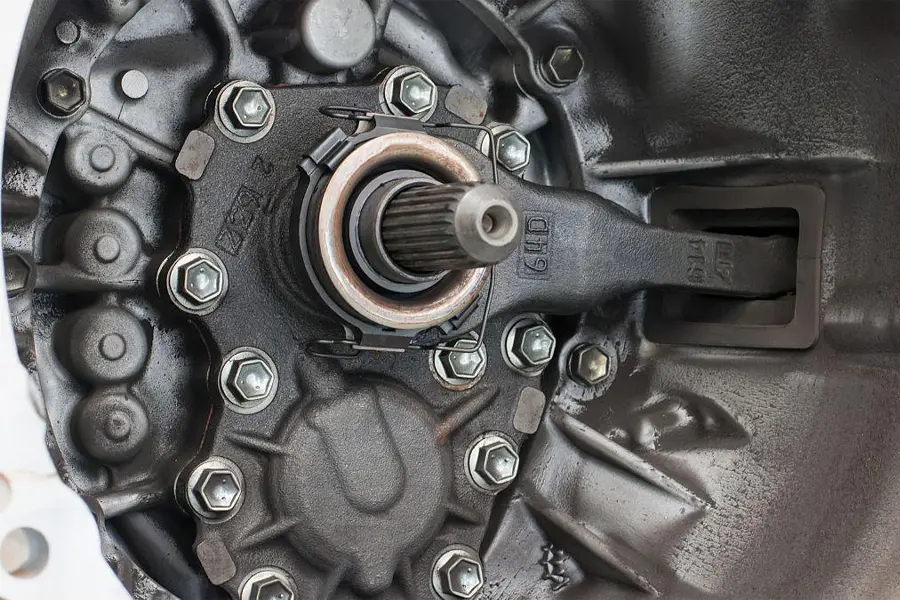
The Bottom Line
Release bearing diagnosis starts with one question: does the noise follow the pedal? If yes, you know where to look. If no, look elsewhere before you pull the transmission.
Don’t ignore a whine. Don’t ignore a stiff pedal. And don’t put a new bearing in without checking what’s around it. The bearing is the messenger — sometimes it’s the problem, sometimes it’s telling you about something else.Optimize Your Supply Chain
Work with a Trusted Bearing Manufacturer Today!
Leave us a message. We will contact within 12 hours.