
BLOG
Types of Clutch Release Bearings: Which One Is Right for Your Vehicle?
You know that moment—you start the engine and instead of a normal idle sound, there’s this sharp squeal from the front of the car. Not subtle. You can’t miss it.
In most cases, that sound isn’t random. It usually comes from the serpentine belt system, especially the belt tensioner or the pulley on it.
Even though it may start as a small noise, it often points to wear inside the accessory drive system, which is responsible for powering several key engine components.
What Is a Clutch Release Bearing?
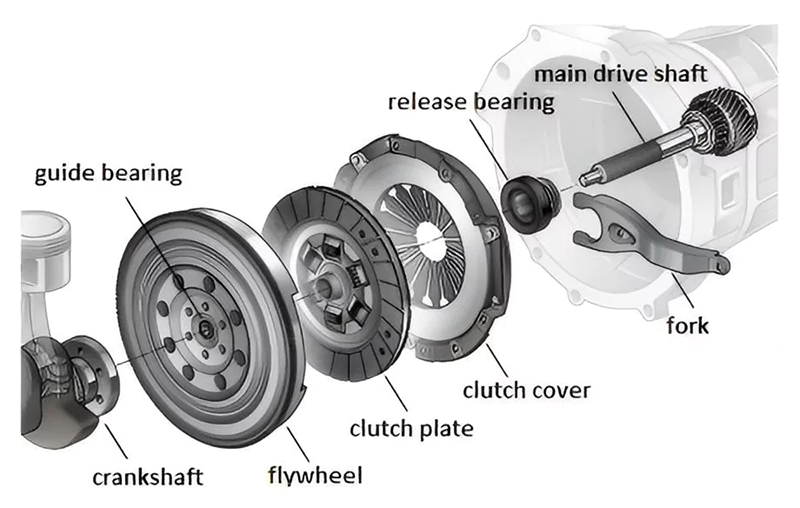
It is also known as a clutch release bearing, or just throw-out bearing, and it sits between the clutch fork (or clutch hydraulic actuator) and clutch pressure plate. When you operate the clutch pedal, the clutch release bearing moves forward and pushes on the diaphragm spring pressure plate. The engine is released from the transmission for a smooth change of gears.
Because the clutch release bearing works under high speed, continuous friction and heavy axial load, the selection is important to ensure long service life.
Common Types of Clutch Release Bearings
1. Deep-Groove Ball Release Bearings
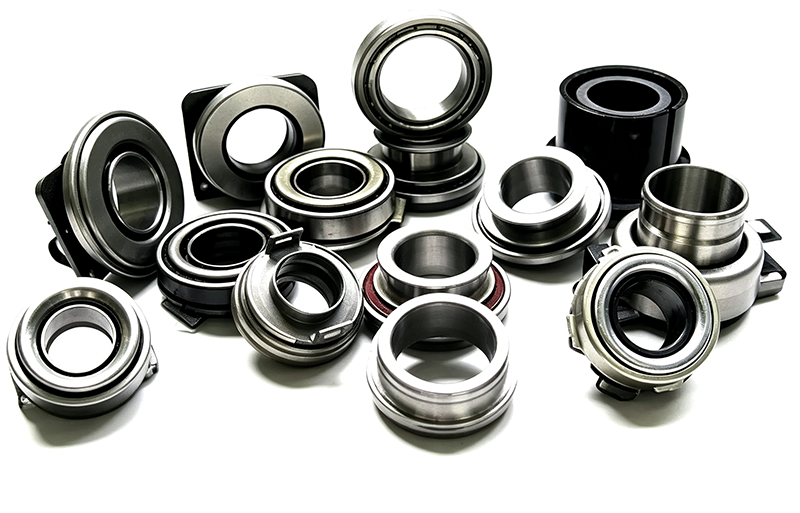
Deep-groove ball release bearings are the most commonly used type for passenger cars, light trucks, tractors and agricultural equipment.
Their simple but robust structure provides smooth rotation, low friction, smooth and reliable performance in good operating conditions, are relatively cheap and easy to replace, and are ideal for most OEM and aftermarket applications.
Best for:
- Passenger cars
- Light commercial vehicles
- Agricultural equipment
- General replacement applications
2. Self-Aligning Release Bearings
Even a small installation error can shorten the life of a clutch bearing. That’s where self-aligning release bearings make a difference.
These bearings automatically compensate for minor shaft misalignment during operation. This helps reduce uneven wear, minimize noise, and ensure more consistent clutch engagement.
They’re commonly used in vehicles or machinery that operate under heavy vibration or long working hours.
Advantages include:
- Better alignment
- Reduced vibration
- Longer bearing life
- Smoother clutch operation
3. Hydraulic Release Bearings
Modern vehicles increasingly use hydraulic release bearings, also known as concentric slave cylinders (CSC). Unlike traditional systems, the hydraulic actuator and release bearing are combined into one compact assembly.
This design improves clutch response, reduces pedal effort, and saves installation space. It also eliminates several mechanical linkage components, resulting in smoother clutch operation.
However, because the hydraulic unit is integrated, replacement is usually more expensive than replacing a conventional release bearing.
Common applications:
- Modern passenger vehicles
- Compact commercial vehicles
- Vehicles with hydraulic clutch systems
4. Heavy-Duty Release Bearings
Heavy-duty release bearings have application wherever heavy-duty bearings will wear out quickly.
Heavy-duty release bearings are made with strong materials and strong seals to be suitable for continuous use, heavy clutch loads and heavy-duty operating conditions.
They are commonly found in:
- Tractors
- Combine harvesters
- Construction equipment
- Heavy trucks
- Industrial machinery
Heavy-duty bearings can improve reliability and shorten machine downtime for agricultural equipment that works long hours during the planting season or harvesting season.
How to Choose the Right Release Bearing
Choosing the right clutch release bearing isn’t just about matching part numbers. It’s also about where and how the vehicle is used.
When selecting a replacement, keep these factors in mind:
- Match the OEM part number whenever possible.
- Confirm compatibility with your vehicle model.
- Buy bearings made of high-quality bearing steel.
- Use tough seals to stop dust and moisture from getting in.
- Get bearings from a reliable supplier with good quality control.
A good quality release bearing will add years to the life of the entire clutch system, plus save on maintenance costs over time.
Signs Your Release Bearing Needs Replacement
A worn release bearing usually gives some warning before it fails completely.
Common symptoms include:
- Squealing or grinding noise when pressing the clutch pedal
- Difficult gear shifting
- Clutch pedal vibration
- Rough clutch engagement
- Abnormal transmission noise
Ignoring these signs may eventually damage the pressure plate or clutch disc, leading to more expensive repairs.
Final Thought
Even clutch release bearings may seem similar from the outside, but they are all tuned for different circumstances. Deep-groove ball bearings are right for most standard everyday vehicles, self-aligning bearings increase brake life even when under misalignment, hydraulic release bearings have a smoother action in modern clutches, and heavy-duty bearings bring necessary strength for equipment used in farming or commerce.
Choosing a release bearing that is right for your clutch means smoother shifting, longer service life for your clutch, and the most reliable service. If you are maintaining a car, tractor or combine harvester, purchasing a good quality replacement is always a worthwhile investment.
Optimize Your Supply Chain
Work with a Trusted Bearing Manufacturer Today!
Leave us a message. We will contact within 12 hours.