
BLOG
The Role of Bearings in Tensioner Pulleys and Why Quality Matters
The job of a tensioner pulley is to keep the belt at the right tension and stop the belt from coming loose when the engine works hard.
The bearing inside the pulley is key. It lets the pulley spin easily. Without good bearings, the pulley would create too much drag. The bearing also keeps everything lined up straight.
The belt connects your engine to important parts, including your alternator, water pump, A/C, power steering and other related parts. A tight belt means these parts work right.
Keeping the Belt Tight
The tensioner has a spring inside. This spring pushes against the belt. It keeps steady pressure on the belt. When the belt tries to stretch, the spring fights back. When it wants to slip, the spring stops it.
Loose belts cause trouble right away. A loose belt will slip when you need power most. This makes a squealing noise. It also means your accessories don’t work right. The bearing makes sure this force stays steady. A bad bearing can’t hold the right pressure. Then your belt slips and overheats.
Staying Lined Up
Even small alignment problems hurt your belt. Just a few degrees off can cut belt life in half. The bearing keeps the pulley straight on its shaft.
When everything lines up, the belt runs smooth. It doesn’t rub on one edge. It won’t jump off the pulley either. The bearing takes the side forces that try to push things out of line.
Less Friction Means Better Performance
Good bearings don’t fight the belt’s movement. They spin freely with very little resistance. This saves energy and reduces heat. Bad bearings create drag. This wastes fuel and makes parts wear out faster. It also makes the whole system run hotter than it should.
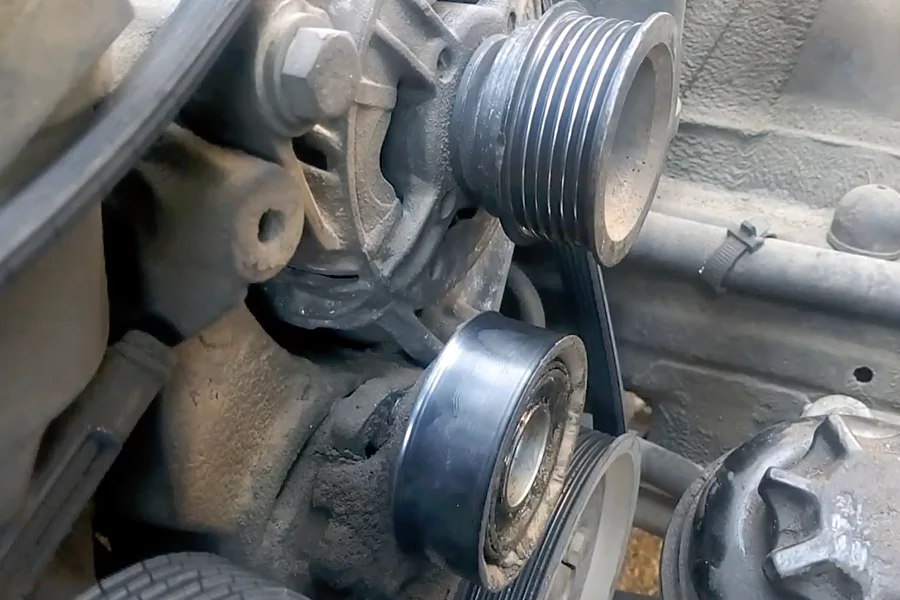
Why Quality Bearings Matter
Cheap bearings cause expensive problems. Here’s what happens when you use poor quality parts:
- Belt Problems Get Worse: A worn bearing can’t hold steady pressure. The belt tension goes up and down. Under heavy loads, the belt will slip. This creates heat and noise.
- Uneven Wear: When bearings wear out, the pulley starts to wobble. One side of the belt gets more pressure than the other. The belt wears unevenly and fails early. You’ll see fraying on one edge. The ribs get damaged on one side first. A good bearing prevents this by keeping everything square.
- Heat and Friction Issues: Good bearings run cool and smooth. Bad bearings get hot from friction. This heat can damage your belt or pulley. It can even melt parts nearby. When a bearing starts to fail, it creates more drag. This makes everything work harder and get hotter.
- Noise and Vibration: Bad bearings make noise. You’ll hear grinding or squealing from the engine bay. This noise gets worse over time. Good bearings run quiet. They don’t vibrate much either. If your tensioner gets noisy, the bearing is probably going bad.
- System Life: A good bearing helps everything last longer. It keeps the belt at the right tension. It keeps everything aligned properly. This means your belt lasts longer. Your alternator, pumps, and other parts last longer too. You save money on repairs and maintenance.
- Preventing Major Failures: The worst thing that can happen is a seized bearing. When a bearing locks up, it stops the pulley instantly. This can snap your belt right away. If your serpentine belt breaks, all your accessories stop working. Your water pump stops. Your alternator stops. Your engine will overheat fast. This can warp your cylinder heads. It can crack gaskets. Your engine might even seize up completely.
What Happens When Bearings Fail
Poor bearings create serious problems:
- Engine Damage: A broken belt stops coolant flow. Your engine overheats quickly. Even a few minutes of overheating can warp metal parts. You might crack gaskets or seize the whole engine. Fixing an overheated engine costs thousands. Sometimes you need a whole new engine.
- Dead Accessories: Even before the belt breaks, a loose belt causes problems. Your alternator won’t charge the battery. Your power steering stops working. Your A/C quits. Any of these can leave you stranded. Loss of power steering makes the car hard to control.
- Higher Repair Bills: A new tensioner bearing costs very little. But the damage from a failed bearing costs a lot to fix. A new belt or tensioner is cheap. A new engine or alternator is not. For businesses, downtime costs even more money.
The Bottom Line
The bearing in your tensioner pulley does more work than you might think. A good bearing keeps belt tension steady. It keeps everything aligned. It reduces friction and runs quietly.
A bad bearing leads to belt problems, heat buildup, and noise. Eventually it causes belt failure. The results can include engine damage, dead accessories, and expensive repairs.
This is why quality matters. Good bearings cost more up front. But they save you money later. They stop big breakdowns. Your car stays reliable.
GELWERK makes tensioner pulleys and bearings. They work on cars and farm machines. Their parts meet strict quality rules. They test everything before it ships.
Business customers pick GELWERK for good reasons. When belts work right, machines don’t break down as much. This saves time and money on repairs.
Optimize Your Supply Chain
Work with a Trusted Bearing Manufacturer Today!
Leave us a message. We will contact within 12 hours.