
BLOG
5 Signs Your Agricultural Hub Unit Needs Replacement
In agricultural machinery, some failures happen suddenly. A gearbox breaks, a shaft snaps, and the machine stops working immediately. But many hub unit problems do not start that way. They usually develop slowly, giving operators small warnings before a complete breakdown happens.
A worn agricultural hub unit is a good example. Many farmers continue working because the machine can still move, but the hidden damage is already affecting performance. From our experience supplying agricultural replacement parts, we have seen many cases where replacing a hub unit early could have prevented bigger repairs, longer downtime, and higher operating costs.
The challenge is knowing when a hub unit is reaching the end of its service life. Here are five common signs that should not be ignored.
1. Excessive Wheel or Shaft Play
One of the earliest signs of hub unit wear is unusual movement between connected components.
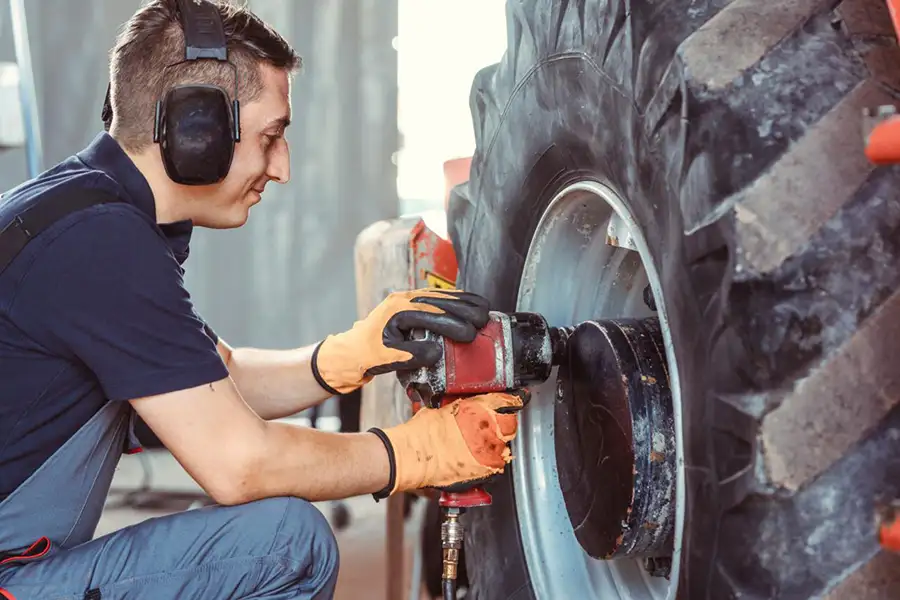
When a hub bearing wears internally, you can feel side-to-side movement checking the wheel or shaft by hand. On some agricultural machines, the operator may feel loose steering, ‘unsatisfactory feel’ moving about in the field or vibration.
A small amount of movement might not seem serious, especially during a busy farming season. However, continued operation increases the clearance inside the bearing assembly. Once the internal surfaces become damaged, the hub unit can no longer maintain proper alignment.
Many replacement requests we receive come from customers who waited until the looseness became obvious. At that point, the repair often involves more than just the hub unit because other connected parts may already have abnormal wear.
2. Unusual Noise During Operation
Noise is one of the easiest warning signs to identify, but it is also one of the most common to ignore.
A healthy hub unit is noisy-free. You can detect a grinding noise, humming sound, clicking noise or a rattling knock noise while the machine is in motion. It usually means internal wear.
Farm equipment operates in bad conditions. Dust, mud, heavy loads, long machine time cause constant wear on bearings and seals. After lubrication effectiveness is depleted or contaminants infiltrate into the hub unit, internal hub parts wear more quickly. One common error is to say that the noise is generated by tires, suspension, and other parts from the side. In fact, it’s probably the hub unit that’s causing the noise.
3. Excessive Heat Around the Hub Area
After several hours of field work, agricultural machinery components naturally become warm. But excessive heat around the hub area is a warning sign.
A failing hub unit creates additional friction because the bearings are no longer rotating efficiently. This extra resistance generates heat and forces the components to work harder.
Operators who regularly inspect their machines often notice this problem before serious damage occurs. Comparing the temperature of different hub units after operation can sometimes reveal an abnormal unit.
Ignoring overheating can lead to bearing seizure, damaged seals, and even complete hub failure. A small replacement job can quickly become a major repair if the problem continues.
4. Grease Leakage or Damaged Seals
Seals are critical for keeping dirt and moisture away from the hub unit, while keeping the lubrication inside.
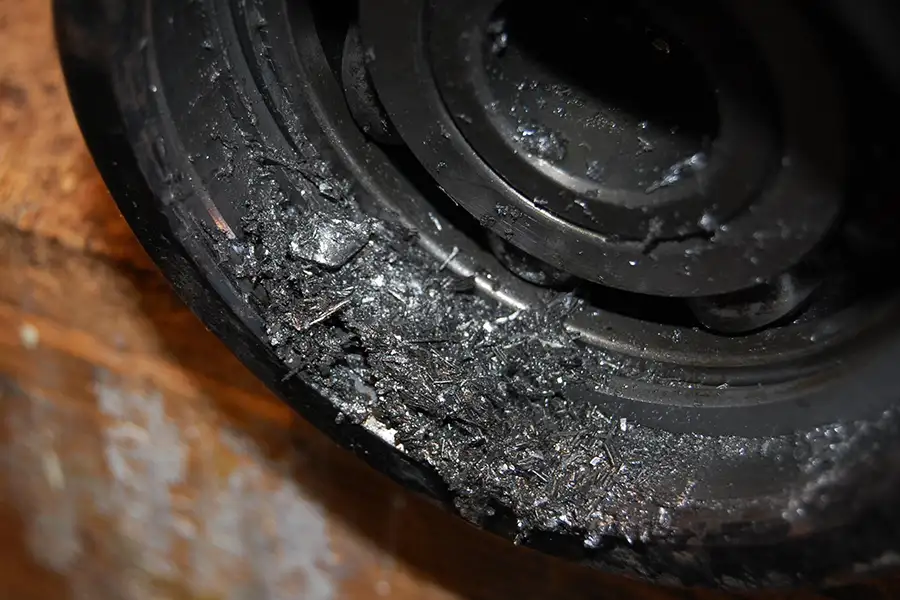
When seals become worn out or broken, grease leaks out, contaminants may enter the bearing area. Agricultural equipment is particularly prone to seal failure because machines run in muddy fields, dusty surroundings and different weather conditions.
A leaking hub should not be considered just a maintenance issue. Loss of lubrication means the internal bearing surfaces are operating under increased friction.
In many cases, operators notice grease around the hub but continue using the machine because there is no immediate failure. However, once contamination enters the assembly, the wear process becomes much faster.
5. Reduced Machine Stability or Performance
Sometimes a failing hub unit does not produce obvious noise or visible damage. Instead, the operator notices that the machine does not perform the same way as before.
You may experience uneven movement, increased vibration, unstable operation, or difficulty maintaining a straight working path. These symptoms are often more noticeable during heavy field applications where the equipment is under higher loads.
Agricultural machinery depends on every component working together. A worn hub unit affects not only the wheel connection but also overall machine stability and efficiency.
Replace Before Failure Happens
Failure of a hub unit during planting or harvesting or other field operations essential for crop production results in excess downtime. Waiting for a component to totally fail can be more expensive than replacing it when early indications show up.
Checking for looseness in regular inspection is the simplest way to enhance the life of an equipment component. Listen for unusual noises, look for loose seals and pay attention to temperature change after operations.
From a parts supplier’s perspective, the best repair is not always the biggest one. It is the repair completed at the right time. Replacing a worn agricultural hub unit before failure helps protect surrounding components, reduce downtime, and keep machinery working when the season matters most.
For farmers and equipment operators, recognizing these five signs can make the difference between a planned maintenance job and an unexpected breakdown in the field.
Optimize Your Supply Chain
Work with a Trusted Bearing Manufacturer Today!
Leave us a message. We will contact within 12 hours.