
BLOG
The Importance of Proper Bearing Lubrication: Grease vs. Oil
Getting the lubrication right for your bearings—grease or oil—can make or break whether they spin reliably without any drama. Yeah, it knocks down friction, but that’s barely scratching the surface. The real magic is how it stops those metal parts from grinding away at each other, fends off rust, and keeps dirt or dampness from sneaking into the works. Mess it up or skip it altogether, and boom—your bearings overheat quick, wear out in no time flat, and you’re stuck dealing with the mess.
The call between grease and oil mostly comes down to what you’re using the bearing for. Go with grease for setups handling big loads at steady speeds—it hangs in there and helps seal things up. Oil shines in fast-spinning or super-hot spots because it moves around easily, pulls away extra heat, and you can top it off on the fly.
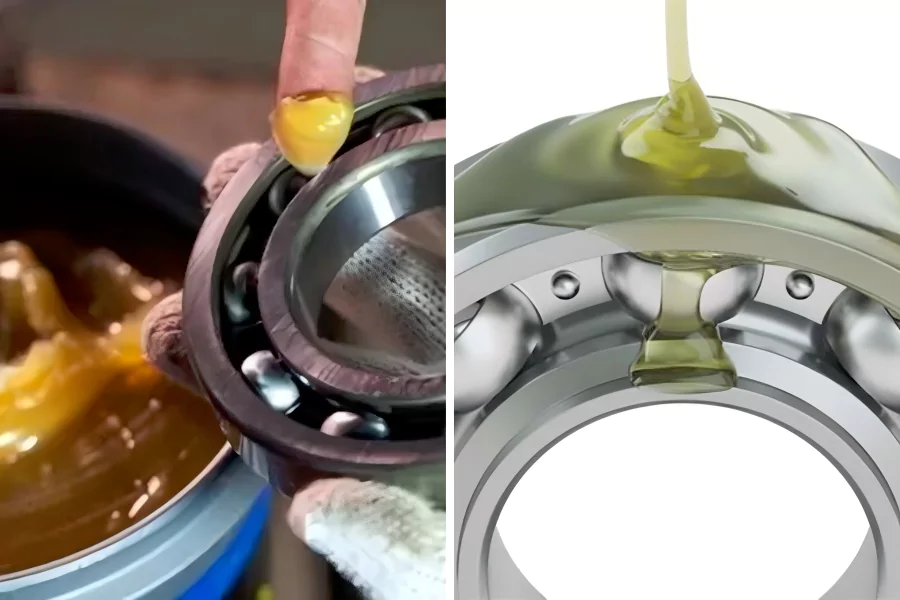
Why You Can’t Skimp on Lube
The kind of lube you pick, and how good it is, straight-up decides how long your bearing lasts and how reliably it works. Here’s what it really does:
- Cuts down on wear and tear: A slick film of lube keeps the balls or rollers from grinding straight into the races, dodging that nasty metal-on-metal action. That means less scarring over time and better handling of all the pounding it takes.
- Stops rust and eats away at chemicals: By keeping air and water out, lube heads off the slow rot from oxidation or whatever else might corrode the steel—stuff that’d otherwise turn a tough bearing into junk.
- Blocks junk from getting in: Grease does a solid job sealing the gaps against dirt or splashes, while oil setups flush out any crud that builds up and keep everything inside spotless.
- Controlling temperature: Heat generated during operation can quickly damage bearings. Circulating oil is particularly effective in drawing heat away, maintaining stable operating conditions. Grease, while more static, provides excellent protection against ingress of contaminants.
- Cools components: Heat is generated by friction and by external loads. Oil, especially in circulation, is highly effective at transporting heat away. If heat builds up, lubrication degrades, viscosity changes, and deterioration occurs more quickly.
- Extends bearing life and reliability: Because lubrication mitigates many failure modes, selecting the right lubricant and maintaining it properly is one of the most influential factors for bearing life. Studies show that improper lubrication accounts for a large percentage of bearing failures.
Grease vs. Oil: When to Use Which
| Decision Factor | Why Grease May Be Preferable | Why Oil May Be Preferable |
|---|---|---|
| High loads + Moderate speeds | Grease adheres well and provides strong load support. | Oil can work but may be less effective in heavy-duty shock load conditions. |
| Sealing & Contaminant Protection | Grease doubles as a sealant and blocks contaminants. | Oil requires advanced sealing and filtration systems. |
| Leakage Concern / Maintenance Access | Grease’s thick consistency reduces leakage and extends re-lubrication intervals. | Oil may leak more easily but can be replenished without disassembly. |
| Speed | At very high speeds, grease may overheat or shear down. | Oil flows easily and maintains a stable film at high speeds. |
| Temperature | Special greases handle moderate to high temperatures but degrade under extreme heat. | Oil offers wider operating ranges and superior heat dissipation. |
| Continuous Lubrication Need | Grease bleeds oil slowly and may not reflow sufficiently. | Oil systems provide continuous supply and remove contaminants. |
Practical Guidelines & Best Practices
Amount of Grease: Too much grease causes churning and overheating. Only part of the housing should be filled, depending on speed and operating conditions.
Type of Grease: The thickener, base oil, and additives must match the load, temperature, and environment.
Viscosity for Oils: Oil must maintain sufficient viscosity at operating temperature to form a fluid film. Too low causes wear, too high increases drag.
Relubrication / Oil Change Intervals: Frequency depends on temperature, speed, load, and contamination. Higher temperatures shorten intervals.
Maintenance & Monitoring: Regular checks of temperature, vibration, and lubricant condition help detect early signs of lubrication failure.
When to Choose Grease, When to Choose Oil
Use Grease When:
Loads are high and speeds are moderate
Protection against contaminants is critical
Leakage is a concern
Maintenance access is limited
Applications are intermittent or open
Use Oil When:
Speeds are high
Temperatures are elevated
Continuous lubrication is required
Effective heat dissipation is essential
Applications run for long periods without stopping
Optimize Your Supply Chain
Work with a Trusted Bearing Manufacturer Today!
Leave us a message. We will contact within 12 hours.