
BLOG
How to Choose the Right Wheel Hub Unit for Commercial Vehicles
Wheel hub failures happen at the worst times. Your truck breaks down on a busy route. The tow truck costs money. The repair bill costs more.
Here’s the thing: not all hubs work the same way. A delivery van needs different parts than a logging truck. Check your owner’s manual first – the truck maker knows what works best. For heavy rigs, tapered-roller bearings and sealed units cause fewer problems.
Start With Your Truck
What kind of work does it do?
Long-haul trucks see different stress than local dump trucks.
Construction equipment faces the worst conditions – dust, dirt, and constant impacts all day. They face heavy loads from different directions and take a beating on job sites.
Light commercial vans or medium-duty vehicles may use different hub types with lighter bearings and serviceability requirements.
Operating conditions
Off-road, rough roads, or dusty environments → sealed, life-lubricated hub units are ideal to reduce contamination risk.
High-speed, highway fleets → bearing type, balance, and heat dissipation become critical. Factory-assembled units help ensure consistent preload and tolerances.
Follow the Manufacturer’s Rules
Start with your owner’s manual
Your owner’s manual tells you exactly what bearings to use. It has the part numbers, weight limits, and how tight to make the bolts. Check this first – it keeps you safe and legal.
Use your VIN number
Give your VIN to the dealer or parts supplier. This way you get the exact same hub that came on your truck originally. No guessing, no wrong parts.
Pick the Right Bearing Type
Tapered roller bearings — best for heavy work
Tapered roller bearings handle both radial and axial loads and are commonly used in heavy-duty truck wheel ends. They are robust and reliable under extreme conditions.
Ball bearings — limited to lighter duty
Ball bearings can work well for lighter or medium-duty applications but generally lack the load capacity for heavy commercial vehicles.
Unitized / hub bearing assemblies
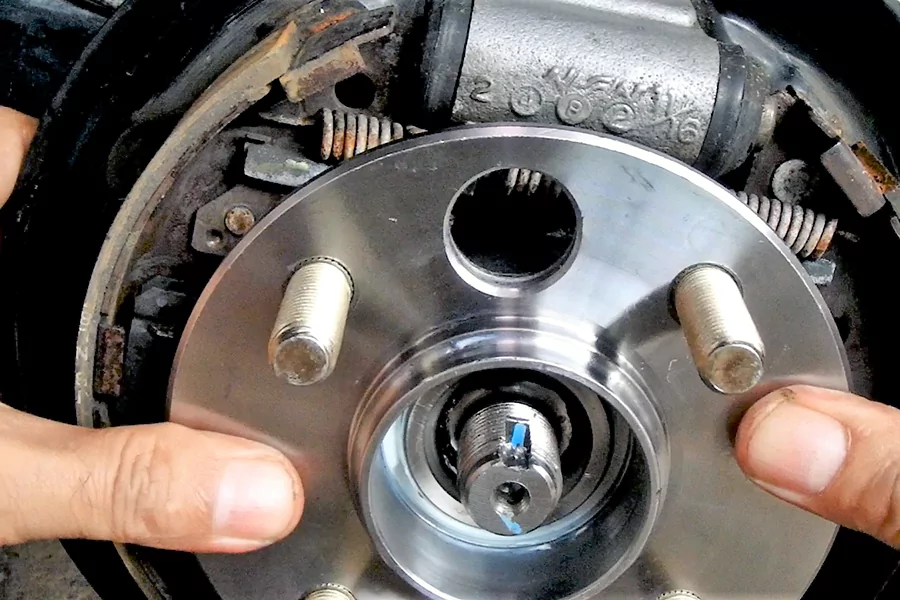
Sealed hubs put everything together in one piece – the hub, bearings, seals, and sometimes the ABS sensor ring. They come pre-greased for life and are easier to install. Less dirt gets in too. The downside? When they wear out, you replace the whole thing.
Go for Quality Brands
Stick with names you trust
Buy from companies that test their products and stand behind them. Good parts cost more upfront but save you money later. They break down less and keep your trucks running.
Sealed & unitized hubs for harsh duty
For vehicles exposed to water, mud, dust, or heavy impact, sealed and life-lubricated hub units minimize maintenance while improving reliability.
Materials and precision manufacturing
Premium steel alloys, advanced heat treatment, and precision grinding directly influence the strength and lifespan of the wheel hub unit.
Consider Installation and Maintenance
Professional installation matters
Incorrect installation or preload adjustment is a leading cause of hub failures. Skilled technicians should always follow torque and adjustment procedures.
PreSet and pre-adjusted hub technology
Factory-assembled preset hub assemblies come with correct preload settings, reducing human error during installation and improving fleet reliability.
Maintenance planning
Unitized hubs: inspect seals and replace the entire unit when worn.
Rebuildable hubs: follow scheduled maintenance, repacking intervals, and torque specifications carefully.
Quick Buyer Checklist
Confirm OEM specifications using the owner’s manual or VIN.
For heavy-duty use, prefer tapered-roller and unitized hub assemblies.
Check materials and heat treatment claims on technical datasheets.
Look for companies that actually help you out. You want clear instructions and someone to call when things go wrong.
Figure out your maintenance plan early. Sealed hubs? Just watch for leaks and replace the whole thing when it’s done. Regular hubs? You’ll be repacking grease on schedule.
About GELWERK
We make wheel hubs for work trucks, farm equipment, and heavy machinery. Been doing it for years. Our rule is simple – match the hub to the job and stick with what the original manufacturer called for.
Got a big fleet? We’ll get you the technical specs and help you keep those trucks rolling. That’s what we do.
Conclusion
To choose the right wheel hub unit for a commercial vehicle:
- Start with the OEM specifications or VIN. If you don’t know, you can also ask our GELWERK customer service.
- For heavy-duty conditions, prioritize tapered-roller and sealed or preset hub assemblies.
- Select products from reputable manufacturers, ensure proper installation, and establish a maintenance plan.
GELWERK’s premium wheel hub units are engineered to meet the demanding requirements of Commercial vehicles, ensuring long-term business for your enterprise.
Contact GELWERK now to:
- Request a detailed technical datasheet for your vehicle application
- Schedule a consultation with our wheel-end specialists
- Get a custom quote for your fleet’s hub replacement needs
Maximize uptime. Minimize risk. Trust GELWERK for wheel hub solutions that keep your fleet moving forward.
Optimize Your Supply Chain
Work with a Trusted Bearing Manufacturer Today!
Leave us a message. We will contact within 12 hours.