
BLOG
How to Choose the Right Hub Assembly for Your Vehicle
A wheel hub assembly is one of those parts a driver probably never thinks about until something starts to go wrong. You may notice a noise – such as a humming sound, some play in the wheel or a vibration that wasn’t there before.
When the time comes to replace a hub assembly, the job is not simply about buying a replacement part. The real question is: which hub assembly do you need for your vehicle?
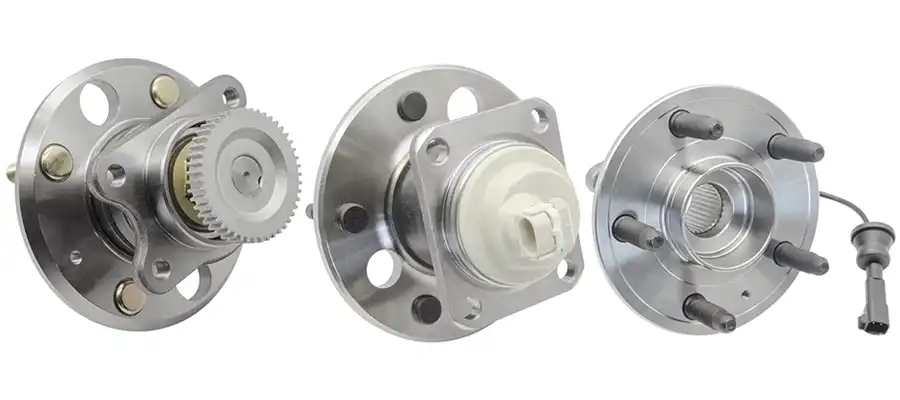
Choosing based on appearance is risky. Two hub assemblies might look almost identical but have different bearing sizes, bolt patterns, sensor type or fitment. Getting the details correct before purchasing can save time, money and another repair.
Start With the Vehicle Fitment
The first place to check is the vehicle.
Make, model, year, engine, axle position? Some vehicles have different hub assemblies on the front axle compared with on the rear axle. They might also have a different version for the engine or drivetrain.
For instance, a hub assembly for the front wheels on a front-wheel-drive passenger car is not a socket-fitting hub assembly for the rear hub assembly. Even within the same model year, manufacturers may make production changes.
That is why “it looks the same” is not enough.
If possible, use the vehicle’s VIN or check the original part number. These details give you a much better starting point when confirming compatibility.
Check the OE Number
The OE number is one of the most useful references when selecting a replacement wheel hub unit.
The original equipment number can help match the replacement part to the correct vehicle application. It is especially useful for distributors, repair shops, and buyers handling several similar products.
Keep in mind that one vehicle may have several OE reference numbers because of production changes, updated parts, or different suppliers. A replacement hub should be checked against the complete application information rather than relying on a single number alone.
For aftermarket purchasing, a supplier should ideally provide OE references and vehicle fitment information so buyers can cross-check before placing an order.
Pay Attention to the Bearing and Hub Design
A wheel hub assembly is not simply a piece of metal that holds the wheel.
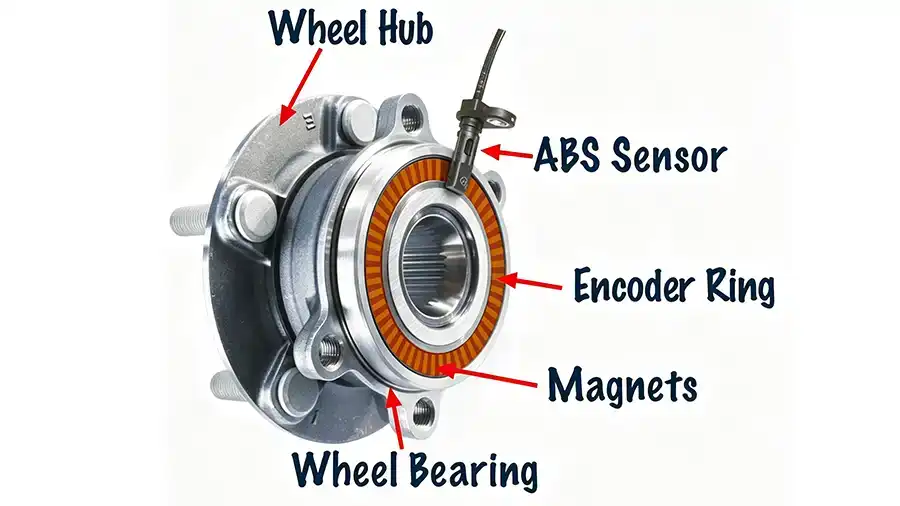
The assembly normally includes the hub, bearings, seals, mounting flange, and wheel studs or bolt holes. Some versions also include an integrated ABS sensor or encoder.
The bearing design matters because it affects how the wheel handles radial and axial loads. A properly matched bearing also helps maintain smooth wheel rotation and correct wheel positioning.
For this reason, check the hub’s specifications rather than judging the product from its outside shape.
Check the Bolt Pattern and Mounting Details
Wheel mounting pattern has to match the vehicle.
Check the number of wheel studs or wheel bolt holes, stud spacing, flange dimensions and wheel mount locations. Also, the center bore and overall size might matter depending on your application.
This is an area that small differences can really matter. A hub can look like it is the original part but may not mount correctly.
B2B buyers can make repeat purchasing from the same supplier much simpler by having the dimensional drawings or detailed product specifications on file.
Does the Vehicle Use an ABS Sensor?
Many modern wheel hub assemblies work together with the vehicle’s ABS system.
Depending on the design, the hub may include an ABS sensor, magnetic encoder ring, or other integrated sensing component. If the original vehicle uses an integrated ABS hub, the replacement needs to be compatible with that system.
A wrong sensor configuration can lead to ABS warning lights or incorrect wheel-speed readings even when the mechanical fit appears correct.
So when checking a hub assembly, do not forget the electrical side of the part.
Consider the Vehicle's Working Conditions
Not every vehicle puts the same amount of stress on its wheel hubs.
Passenger cars mainly need stable wheel rotation, good bearing performance, and reliable road operation. SUVs, pickups, vans, and commercial vehicles can place considerably higher loads on the hub assembly.
If the vehicle regularly carries heavy loads, drives on rough roads, or operates in demanding conditions, bearing capacity, sealing performance, and housing strength become even more important.
The right hub is not only about whether it fits. It also needs to suit the way the vehicle is used.
OEM Replacement or Aftermarket Hub Assembly?
Both options can work well when the application is correct.
An OEM replacement follows the original vehicle specification and is often selected when maintaining the original configuration is the priority. An aftermarket wheel hub assembly can be a practical option for repair shops, distributors, and fleet maintenance when the product offers reliable quality and accurate fitment.
For aftermarket buyers, look beyond price. Check the bearing construction, seals, materials, machining accuracy, OE references, and quality control.
A lower purchase price does not mean much if the part needs to be replaced again shortly afterward.
A Simple Checklist Before Ordering
Before purchasing a wheel hub assembly, check these points:
- Vehicle make and model
- Model year
- Engine and drivetrain
- Front or rear axle position
- OE or reference number
- Wheel bolt pattern
- Hub dimensions
- ABS sensor or encoder configuration
- Bearing and sealing design
- Intended driving or load conditions
Taking a few minutes to verify these details can prevent a lot of trouble later.
Final Thoughts
Choosing the right hub assembly is mainly about accurate matching. Start with the vehicle application, confirm the OE number, check the physical dimensions and mounting details, and make sure the ABS configuration is correct.
For distributors and repair professionals, reliable fitment information is just as important as the product itself. A well-made wheel hub unit should provide stable wheel support, smooth rotation, and dependable performance over the service life of the vehicle.
At GELWERK, wheel hub units are developed for a range of passenger cars, SUVs, pickups, commercial vehicles, and other applications. With OE references and application information available, buyers can make a more confident choice when sourcing replacement hub assemblies.
Optimize Your Supply Chain
Work with a Trusted Bearing Manufacturer Today!
Leave us a message. We will contact within 12 hours.